Humber maritime businesses urged to speak up to resolve skills anomaly
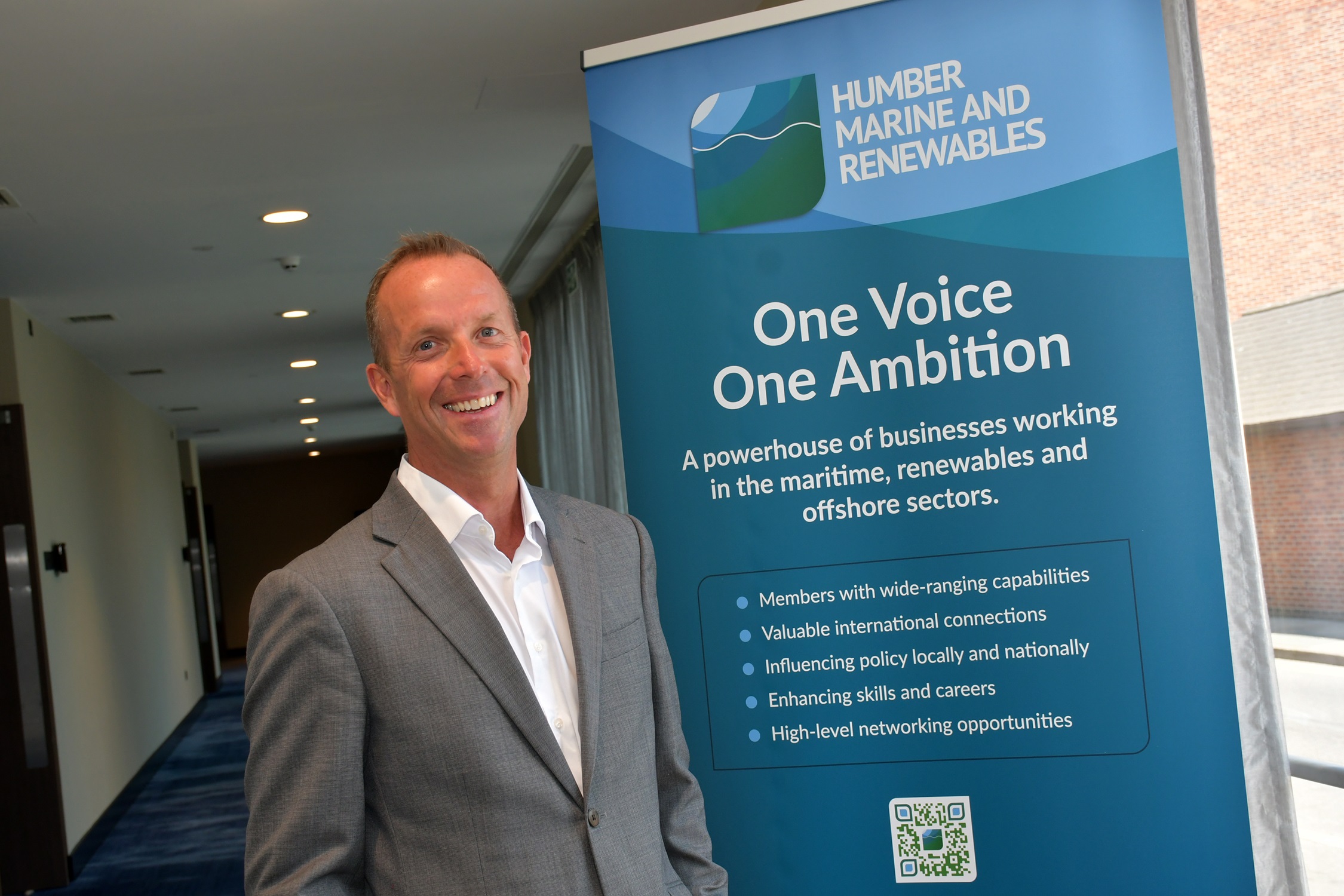
Maritime businesses in the Humber are being urged to take part in a regional skills consultation to help shape funding priorities for the region.
Hull City Council and East Riding of Yorkshire Council are currently compiling a Skills Priority Report, a document that will directly influence funding priorities and resource allocations across the north bank for the next three years.
It comes as Humber Marine and Renewables found maritime was not identified as a priority sector – or formally registered at all – despite the huge importance attached to seaborne activity, be it for energy or commerce.
The organisation has been advised that it could be due to limited engagement and response from the maritime and marine renewables sector during previous consultations.
Dave Dawson, stakeholder manager for HM&R, said: “A core function of Humber Marine & Renewables is to provide advocacy for our members, ensuring that the scale, value, and future potential of our sector is clearly understood by decision-makers.
“I have formally raised this issue with the Local Skills Improvement Plan board, however, robust evidence from industry is essential to correct the current position.
“Through our one-to-one conversations with members, partner organisations and stakeholders – alongside strong anecdotal evidence – it is clear that maritime and renewables are major economic drivers for the Humber.
“The sector supports thousands of skilled jobs across operations, ports, logistics, engineering, digital and security; underpins offshore wind deployment, port infrastructure growth, and decarbonisation; aligns directly with regional ambitions for clean growth, productivity, resilience and inward investment and plays a critical role in national energy security and strategic supply chains.”
Humber Marine & Renewables secured significant grant funding to widen its scope from the Department for Transport as part of an initiative to grow economies in coastal towns around the UK a year ago, as part of a £1 million Maritime Cluster Development Fund divided between nine areas – underlining the national significance given to the Humber. It aims to drive investment and help local businesses through delivery of skills, training and educational programmes.
Mr Dawson said there is a strong cross-over between the HEY Local Skills Improvement Plan (LSIP) 2.0 objectives and the Industrial Growth Plan, particularly around workforce readiness and progression, higher-level technical, digital and engineering skills, resilience, security and future infrastructure, and employer-led skills provision.
“It is vital that we raise the profile of maritime and renewables through HEY LSIP 2.0, so that our sector is formally recognised and positioned to be part of ongoing and future conversations as the Hull and East Yorkshire Combined Authority assumes greater responsibility for skills, funding, and economic development,” he added.
“Without this recognition, we risk being excluded from strategic discussions that will shape the region for years to come. I therefore urge all members to complete the survey as a matter of priority. This is a critical opportunity for us to collectively ensure maritime and renewables are properly represented in future regional policy, funding decisions, and skills planning.
“Your voice matters, and without it, others will define the priorities on our behalf.”
You can access the survey here: Hull & East Yorkshire LSIP Survey
South of the Humber, and in line with the Skills and Post-16 Education Act 2022 and the latest guidance from Skills England, the FSB is preparing to engage with employers across Greater Lincolnshire to develop its 2026–2029 Local Skills Improvement Plan. Further information can be found here.
For further information on the survey, or support in completing it, email Mr Dawson at davedawson@humber-marine-renewables.co.uk before February 2.